
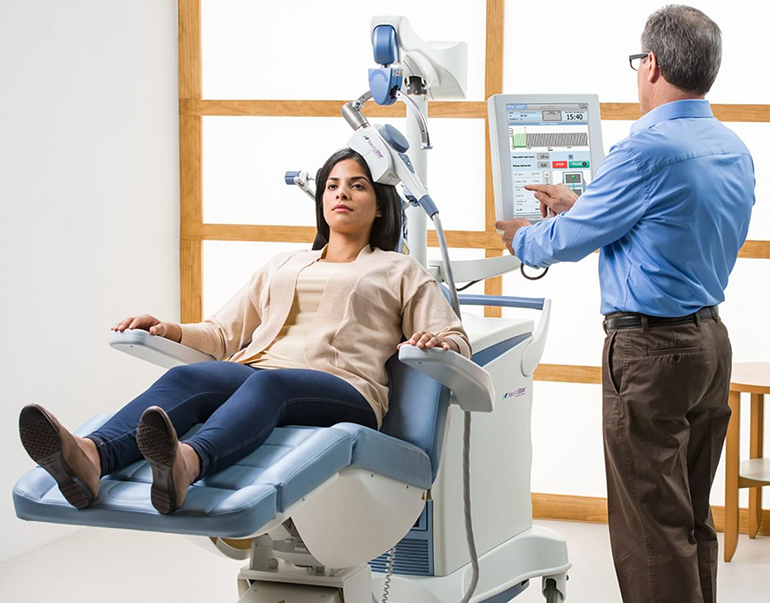
Transcranial Magnetic Stimulation (TMS) therapy has gained significant recognition in Australian mental health clinics as an evidence-based treatment for depression and other mental health conditions.
Despite its growing clinical use and impressive success rates, numerous myths and misconceptions continue to circulate, creating unnecessary barriers for patients who could benefit from this innovative therapy.
These persistent misunderstandings often prevent individuals from exploring Transcranial Magnetic Stimulation Therapy as a viable treatment option. By addressing these myths head-on with facts and scientific evidence, we can help patients make informed decisions about their mental health care.
Let’s examine and dispel the most common misconceptions surrounding TMS therapy.
TMS Therapy Is Painful and Invasive: The Truth About Comfort
One of the most widespread misconceptions about TMS therapy is that it involves pain or invasive procedures. This myth couldn’t be further from the truth.TMS is completely non-invasive, requiring no surgery, anaesthesia, or sedation. Unlike other brain stimulation therapies, TMS doesn’t penetrate the skin or require any form of surgical intervention.
During a typical session, patients sit comfortably in a chair while a magnetic coil is positioned against their scalp. Most individuals describe the sensation as a gentle tapping or clicking on the head.
You remain fully awake and alert throughout the entire procedure, and many patients read, listen to music, or simply relax during their sessions. The most common side effects are mild headaches or temporary scalp sensitivity at the treatment site, which typically resolve quickly after the session ends.
TMS Versus ECT: Understanding the Key Differences
Many people mistakenly believe that TMS is similar to Electroconvulsive Therapy (ECT), but these treatments are fundamentally different. Understanding what Transcranial Magnetic Stimulation is helps to clarify this distinction. TMS uses focused magnetic pulses to stimulate specific brain regions associated with mood regulation, particularly the prefrontal cortex. These magnetic fields are similar in strength to those used in MRI machines and don’t induce seizures.
ECT, on the other hand, involves passing electrical currents through the brain to trigger a controlled seizure. This procedure requires general anaesthesia and can result in temporary memory loss and confusion.
Patients undergoing ECT need recovery time after each session and may experience more significant side effects. TMS patients can drive themselves home immediately after treatment and return to their daily activities without any recovery period. The non-seizure nature of TMS makes it a gentler alternative for many patients seeking effective depression treatment.
Beyond Severe Depression: The Expanding Applications of TMS
While TMS received initial FDA approval for treatment-resistant depression, its therapeutic applications extend far beyond severe cases. Many patients with moderate depression who want to avoid medication side effects find TMS for treatment-resistant depression highly effective.
The therapy has shown promising results for various mental health conditions, including anxiety disorders, obsessive-compulsive disorder (OCD), and post-traumatic stress disorder (PTSD).
Recent clinical studies have demonstrated TMS effectiveness in treating patients who haven’t necessarily failed multiple medication trials. Response rates of up to 70% have been reported in treatment-resistant depression cases, but many patients with less severe symptoms also experience significant improvement.
The therapy offers particular appeal to individuals who cannot tolerate antidepressant side effects or prefer a non-pharmacological approach to mental health treatment.
Safety Profile: Minimal Side Effects and Strong Clinical Record
Concerns about safety often stem from misunderstandings about how TMS works. With over two decades of clinical use and research, TMS has established an excellent safety profile. Unlike systemic medications that affect the entire body, TMS targets specific brain regions without introducing chemicals into your system.
This localised approach means patients don’t experience weight gain, sexual dysfunction, or gastrointestinal issues commonly associated with antidepressants.
The most frequently reported side effects remain mild and temporary. Scalp discomfort or mild headaches occur in some patients but typically diminish after the first few sessions. Unlike ECT, TMS doesn’t cause memory loss or cognitive impairment. In fact, many patients report improved concentration and mental clarity as their depression symptoms improve.
Serious adverse events are extremely rare, making TMS one of the safest interventions available for depression treatment.

Long-Term Benefits: Sustained Improvement After Treatment
Another common myth suggests that TMS benefits are temporary or short-lived. Clinical data tells a different story. Research demonstrates that many patients experience lasting improvements extending months to over a year after completing their initial treatment course. The therapy works by promoting neuroplasticity – the brain’s ability to form new neural connections – creating sustainable changes in brain function.
Understanding how long TMS takes to work helps set realistic expectations. While some patients notice improvements within the first two weeks, others may require the full treatment course to experience benefits.
Many individuals find that maintenance sessions help prolong the positive effects, reinforcing the neuroplastic changes achieved during initial treatment. Studies show that patients often experience improved quality of life after TMS, with sustained remission rates comparable to or better than traditional treatments.
Accessibility and Affordability: Breaking Down Financial Barriers
The perception that TMS is prohibitively expensive or unavailable prevents many suitable candidates from considering this treatment. However, the landscape of TMS accessibility has changed dramatically in recent years.
Medicare now provides coverage for TMS treatment in eligible patients, and many private health insurers are looking to expand their coverage policies to include this therapy. The number of clinics offering TMS across Australia has grown significantly, bringing treatment closer to patients’ homes.
The perception that TMS is prohibitively expensive or unavailable prevents many suitable candidates from considering this treatment. However, the landscape of TMS accessibility has changed dramatically in recent years.
Medicare now provides coverage for TMS treatment in eligible patients, and many private health insurers are looking to expand their coverage policies to include this therapy. The number of clinics offering TMS across Australia has grown significantly, bringing treatment closer to patients’ homes.
You may also benefit from the Medicare Safety Net, which helps reduce out-of-pocket costs for out-of-hospital services once you reach a certain annual threshold. For more detail on how the Safety Net works (including current thresholds), see the official guide.
While TMS requires specialised equipment and trained professionals, increasing availability has made it more accessible than ever before.
When considering the long-term costs of ongoing medication, therapy sessions, and the impact of untreated depression on work and relationships, TMS often proves cost-effective for suitable candidates.
Scientific Foundation: Decades of Research and Clinical Evidence
Far from being experimental, TMS stands on a solid foundation of scientific research spanning over twenty years. Numerous peer-reviewed studies have confirmed its efficacy and safety across diverse patient populations. The therapy has received approval from regulatory bodies worldwide, including the FDA in the United States and the TGA in Australia, following rigorous evaluation of clinical trial data.
Response rates of up to 70% in treatment-resistant depression cases significantly exceed outcomes from additional medication trials in similar patient groups. These impressive results come from controlled clinical trials and real-world treatment settings alike.
Ongoing research continues to refine treatment protocols and explore new applications, with studies investigating TMS for conditions ranging from chronic pain to addiction disorders. A psychiatrist for mood disorders can determine if you’re a suitable candidate based on current evidence-based guidelines.

Taking the Next Step Towards Mental Wellness
The evidence is clear: TMS therapy represents a safe, effective, and increasingly accessible treatment option for depression and other mental health conditions. By dispelling these common myths, we hope more individuals will feel confident exploring whether TMS could help them achieve lasting relief from their symptoms.
If you’re struggling with depression, anxiety, or other mental health challenges, and traditional treatments haven’t provided adequate relief, TMS therapy might be the breakthrough you’ve been seeking.
At Mind Oasis, our experienced team of mental health professionals can assess your suitability for TMS and guide you through the treatment process. Don’t let misconceptions prevent you from accessing potentially life-changing treatment.
Contact Mind Oasis today to schedule a consultation and discover if TMS therapy could help you reclaim your mental wellness and quality of life.