
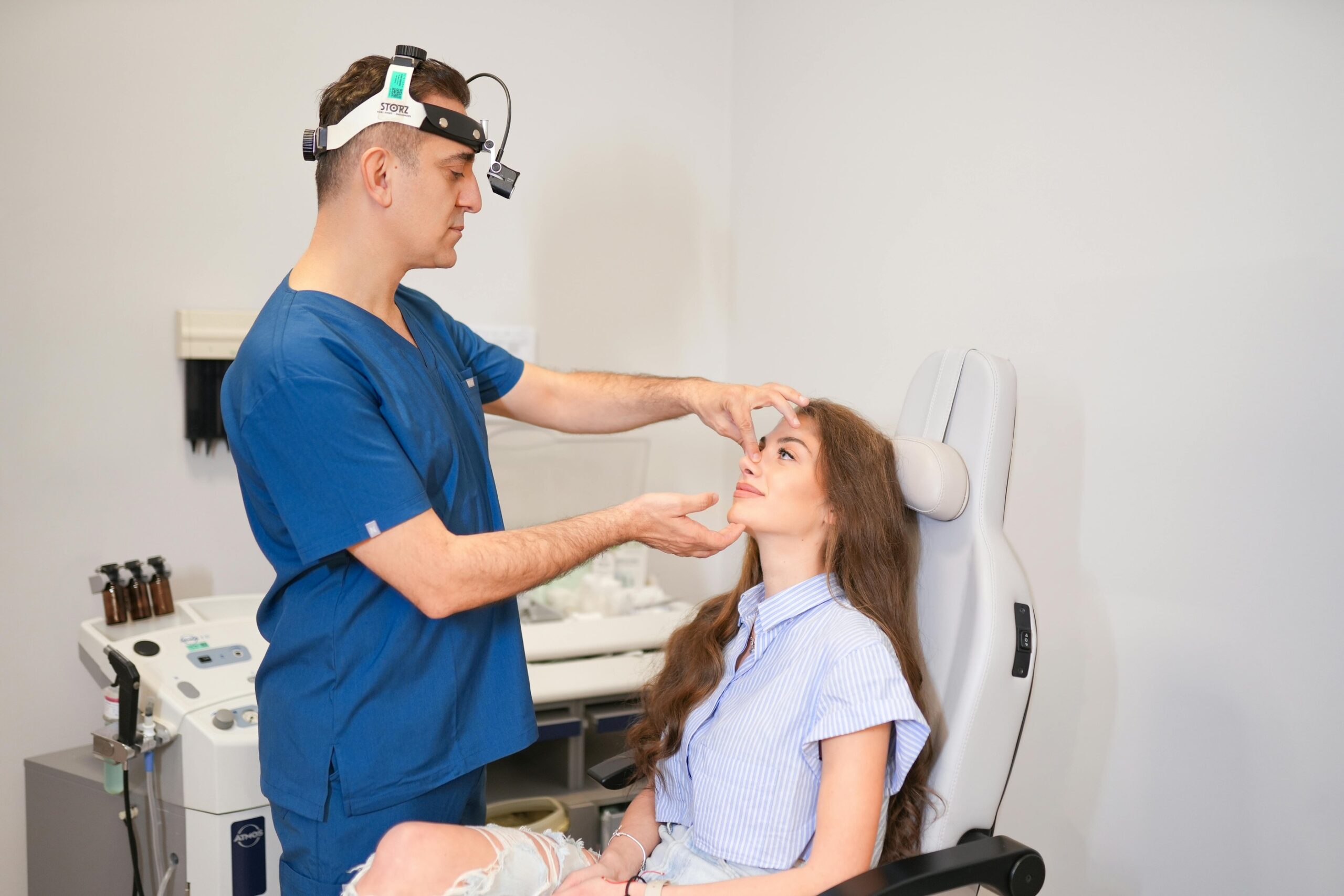
If you’re reading this, you’ve likely been on a long journey with depression that hasn’t responded to traditional treatments. The frustration of trying medication after medication, only to find minimal relief or temporary improvements, can feel overwhelming. You’re not alone in feeling stuck or questioning whether anything will truly help.
The weight of persistent depression can make each day feel like a mountain to climb, especially when conventional treatments haven’t provided the relief you desperately need.
The good news is, innovative treatments like esketamine are offering new hope for those who haven’t found success with standard approaches.
This guide walks you through the treatment process, what you can expect during each session, potential side effects, and how to support your recovery afterward.
What Is Treatment-Resistant Depression?
Treatment-resistant depression (TRD) is when depression doesn’t respond to at least two different antidepressant medications taken at proper doses (typically 6-8 weeks each).
This clinical diagnosis affects approximately 30% of people with depression at some point in their treatment journey. It’s not a reflection of your willingness to recover or any personal failing – it’s a complex medical condition that requires specialised approaches.
Understanding Esketamine Therapy
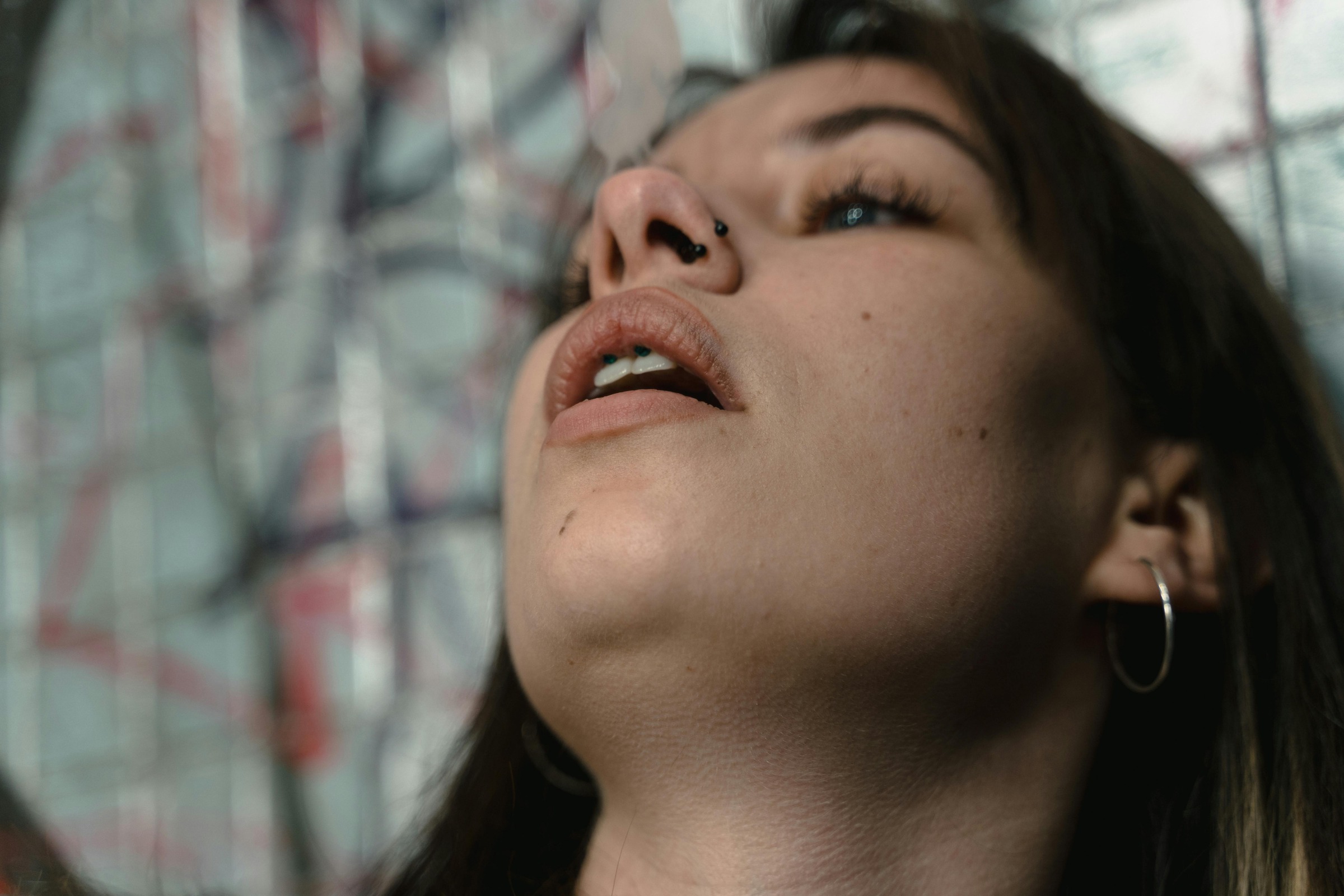
Esketamine is specifically approved for treatment-resistant depression in Australia. Unlike oral antidepressants, it is administered as a nasal spray under the supervision of a psychiatrist in a clinic setting. Each session typically lasts about 40-60 minutes, including preparation, administration, and observation to ensure safety.
At Mind Oasis, our experienced psychiatrists understand the unique challenges of treatment-resistant depression. We offer cutting-edge treatments including Transcranial Magnetic Stimulation treatment (TMS), esketamine nasal spray therapy, and comprehensive psychiatrist-led care through both in-person and telehealth consultations across Australia.
During Your Esketamine Session
Here’s what happens step by step:
- Initial Assessment: Your first session begins with a brief evaluation of your current mood, medical history, and any potential contraindications.
- Administration: You self-administer the nasal spray under the supervision of a healthcare professional. Doses are carefully monitored to maximise therapeutic benefits.
- Observation: After administration, you remain in the clinic for about 2 hours. During this time, staff monitor your vital signs and ensure you tolerate the treatment safely.
- Experience: Some patients notice mild dizziness, dissociation (feeling detached), nausea, or slight sedation. These effects are typically short-lived and resolve after leaving the clinic.
After Your Esketamine Treatment
Recovery and follow-up are essential for maximising benefits:
- Immediate Care: You should not drive home; arrange transport in advance.
- Symptom Tracking: Keep a journal of mood changes or side effects to share with your psychiatrist.
- Follow-Up Sessions: Esketamine is usually administered 1–2 times per week initially, with adjustments based on your response.
- Ongoing Support: Combining esketamine with therapy or lifestyle support often improves outcomes and maintains progress.
How Common Is Treatment-Resistant Depression?
If any of the signs above sound familiar, you’re far from alone in this struggle. Studies indicate that up to one-third of people with major depressive disorder will experience treatment resistance for depression in Australia.
In fact, thousands of individuals face similar challenges, which is why specialised clinics for depression treatment like Mind Oasis have developed comprehensive programs combining innovative treatments for therapy for treatment-resistant depression.
Your Next Steps Forward
Personal Assessment
The first step is obtaining a thorough evaluation from a psychiatrist experienced in treatment-resistant depression. This assessment should review your complete treatment history, current symptoms, and any contributing factors that might have been missed.
Alternative Therapies Available
Modern psychiatry offers several evidence-based alternatives for those who haven’t responded to conventional treatments. Mind Oasis provides access to both TMS and esketamine for treatment-resistant depression options, along with expert telepsychiatry services throughout Australia. These innovative approaches work through different mechanisms than traditional antidepressants, offering new pathways to recovery.
- Consult an experienced psychiatrist who specialises in treatment-resistant depression
- Consider evaluation for alternative treatments like TMS vs esketamine to determine which might suit your situation
- Seek multidisciplinary support including psychological therapy alongside medical interventions
- Track and record your symptoms to help your treatment team understand patterns and responses
Safety and Effectiveness
Esketamine is safe when administered in a supervised clinical setting. It is fast-acting, often improving symptoms within hours to days, and is especially beneficial for those who have not responded to traditional antidepressants. Regular monitoring ensures side effects are managed and treatment is tailored to your needs.
For many, completing TMS therapy marks the beginning of a brighter, more balanced chapter. The improvements in mood, clarity, and daily functioning can be life-changing, but life after TMS means maintaining progress requires ongoing care. Continuing therapy, following a structured routine, prioritising sleep, and staying connected with your support network all play key roles in sustaining your mental wellbeing. Regular check-ins with your psychiatrist can also help ensure long-term stability and prevent relapse.

Addressing Common Concerns and Finding Hope
Many people worry about the cost and accessibility of newer treatments. Questions about how much esketamine costs, what to do when antidepressants are not working, or concerns about esketamine side effects are completely valid. It’s natural to feel hesitant about trying something new after multiple disappointments. However, these innovative treatments have shown remarkable success rates even in cases where numerous other approaches have failed.
The difference between esketamine vs. ketamine lies in their formulation and administration methods, with esketamine (marketed as Spravato nasal spray) being specifically developed and approved for treatment-resistant depression. The treatment is administered under medical supervision, ensuring safety and optimal therapeutic benefit.
Remember that treatment resistance doesn’t mean your depression is untreatable. It simply means you need a different approach. Many patients who felt hopeless after years of unsuccessful treatment have found significant relief through these newer interventions.
Moving Forward with Confidence
Esketamine does not replace ongoing care, it’s part of a comprehensive treatment plan. Understanding what to expect during and after your sessions helps you feel prepared and confident. Many patients experience significant improvements in mood, clarity, and daily functioning, creating hope for sustained recovery.
If you think esketamine might be right for you, Mind Oasis offers expert assessments and supervised treatments in Sydney or via telehealth across Australia.
Visit mindoasis.com.au or call 1300 680 000 to schedule your assessment and learn more about your treatment options.