

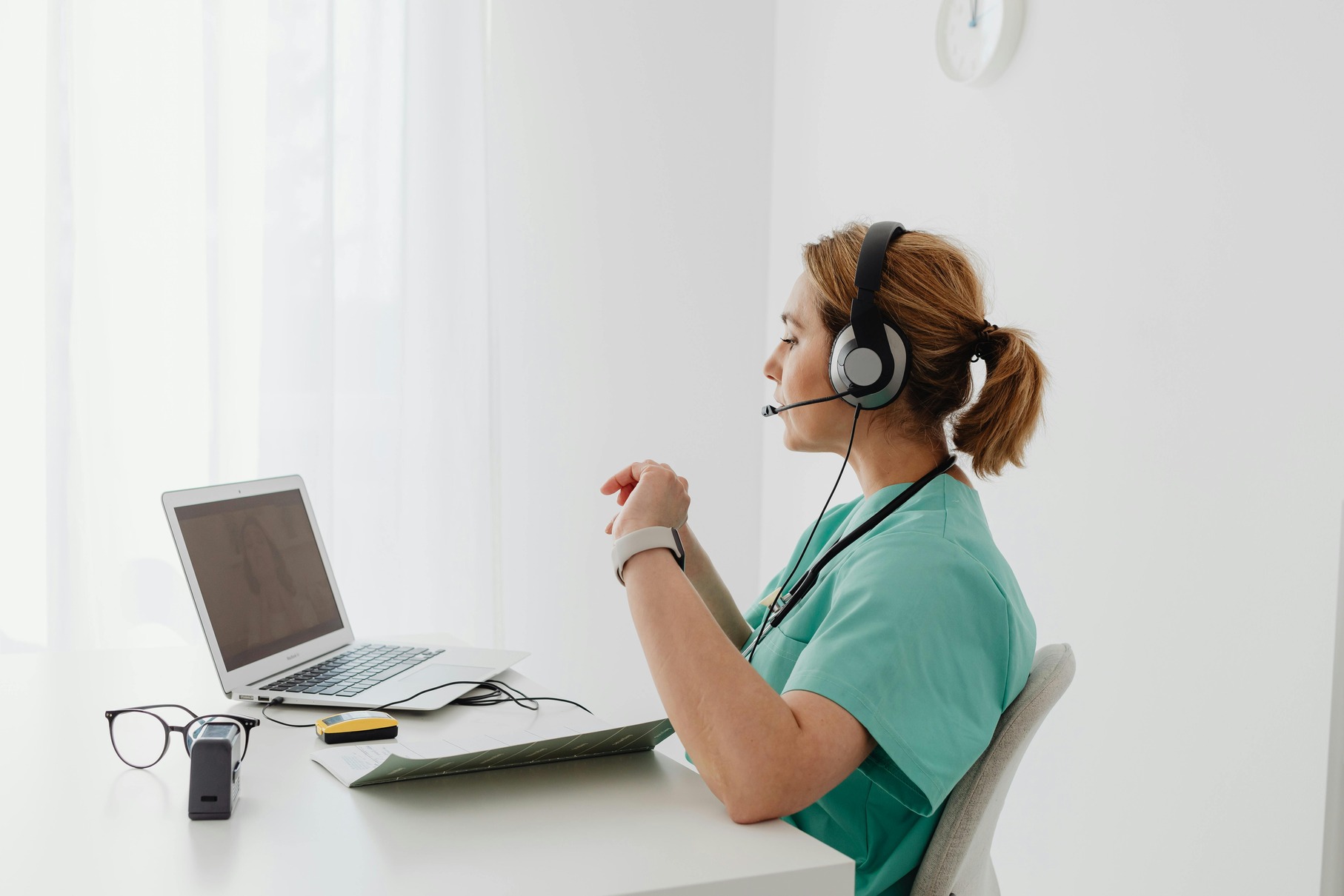
The landscape of psychiatric care has transformed dramatically since 2020, with telehealth psychiatry experiencing unprecedented growth during the COVID-19 pandemic. What began as a necessity has evolved into a preferred option for many Australians seeking mental health support. In Australia, telepsychiatry first appointments surged over 1,200% from pre-pandemic levels to 27,527 in 2022, reflecting a nationwide shift in psychiatric care access during COVID-19.
Today, patients face an important choice: should they opt for the convenience of virtual consultations or stick with traditional face-to-face appointments? This decision isn’t always straightforward, as both options offer unique advantages.
Understanding the comparative benefits and limitations of each approach can help you make an informed decision about your mental health care journey.
What Is Telehealth Psychiatry?
Telehealth psychiatry refers to psychiatric care delivered remotely through secure video conferencing platforms or telephone consultations. This innovative approach allows patients to connect with qualified psychiatrists from their own homes, offices, or any private location with a stable internet connection. Sessions typically mirror traditional appointments in structure and duration, covering assessment, diagnosis, therapy, and medication management.
The technology behind telehealth psychiatry has advanced significantly, with encrypted platforms ensuring patient privacy and confidentiality. Many patients now access care through an Australian telehealth psychiatrist, experiencing the same professional standards and quality of care they would receive in a clinical setting.

What Are In-Person Visits?
In-person visits represent the traditional model of psychiatric care, where patients attend face-to-face appointments at clinical settings such as hospitals, private practices, or community mental health centres. These consultations take place in dedicated therapeutic spaces designed to ensure privacy and comfort, allowing for direct interpersonal interaction between patient and psychiatrist.
During in-person visits, psychiatrists can observe non-verbal cues more easily, conduct physical assessments when necessary, and create a controlled therapeutic environment. This traditional format has been the cornerstone of psychiatric practice for decades, establishing trusted therapeutic relationships through direct human connection.
How Do Telehealth and In-Person Psychiatry Compare?
Effectiveness of Telehealth vs. In-Person Care
Recent research has challenged assumptions about the effectiveness of remote psychiatric care. A comprehensive 2025 AI-driven analysis of SAMHSA data revealed that telehealth delivers comparable effectiveness to in-person care for depressive disorders. Even more remarkably, the same study found superior outcomes for anxiety disorders when treated via telehealth platforms.
Supporting this finding, a 2024 Yale study demonstrated that telehealth psychiatric interventions were just as effective as in-person mental health care across multiple diagnostic categories. These results suggest that clinical outcomes are less dependent on the delivery method than previously thought, with both modalities achieving similar therapeutic goals when properly implemented.
Patient Experience and Satisfaction
Patient satisfaction with telepsychiatry has exceeded expectations, with surveys reporting over 80% satisfaction rates during the pandemic period. Many patients appreciate the flexibility to receive care from familiar surroundings, eliminating the stress of travelling to appointments or sitting in waiting rooms.
However, preferences vary significantly among individuals. Some patients value the convenience and comfort of telehealth, particularly those managing ADHD telehealth in Australia, while others prefer the personal interaction and ritual of attending in-person appointments. Factors influencing preference include age, technological comfort, severity of symptoms, and personal communication style.
Accessibility and Convenience
Telehealth psychiatry has revolutionised access to mental health care, particularly for underserved populations. Rural and remote patients who previously faced hours of travel can now connect with specialists instantly. Those with mobility challenges, chronic illnesses, or caregiving responsibilities find virtual consultations significantly more manageable.
The reduction in stigma is another crucial benefit. Patients can seek help without worrying about being seen entering a mental health facility, which remains a barrier for many Australians. Travel time elimination means less time off work and reduced transportation costs, making regular treatment more sustainable.
In-person visits, however, maintain advantages for comprehensive diagnostics. Physical examinations, when required, and certain psychological assessments may be more thorough in clinical settings. Some therapeutic interventions, such as specific exposure therapies or crisis interventions, may also benefit from the controlled environment of a clinical space.
Limitations and Challenges of Telehealth
Despite its advantages, telehealth psychiatry faces several limitations. Technological barriers remain significant for some populations, particularly older adults or those in areas with poor internet connectivity. Connection issues during sessions can disrupt therapeutic flow and cause frustration for both patients and practitioners.
Privacy concerns persist, especially for patients lacking private spaces at home. Family members or housemates may inadvertently overhear sensitive discussions, potentially compromising confidentiality.
Can a telehealth psychiatrist prescribe medication? Yes, they can, but certain controlled substances may require additional verification processes or occasional in-person visits.
Patients experiencing severe psychosis, active suicidal ideation, or requiring immediate intervention need the comprehensive support available in clinical settings or emergency departments.
What Are the Emerging Trends in Telepsychiatry?
The integration of artificial intelligence is transforming telepsychiatry, enabling more personalised care decisions through predictive analytics and treatment optimisation. AI algorithms can now analyse speech patterns, facial expressions, and response data to assist psychiatrists in assessment and treatment planning, though human clinical judgement remains paramount.
Hybrid models are gaining traction as an optimal solution for many patients. These approaches combine the convenience of telehealth with the depth of in-person care, balancing accessibility and thoroughness. For example, patients might attend their first psychiatrist appointment in person, understanding what to expect during that first visit, before transitioning to telehealth for routine follow-ups and returning to the clinic only when needed.
Virtual reality therapy integration and digital therapeutic apps are expanding treatment options within telehealth frameworks. These technologies offer immersive therapeutic experiences and between-session support, enhancing treatment outcomes while maintaining the flexibility of remote care.

What Does the Future Hold?
Industry projections suggest telehealth will account for approximately 40% of mental health encounters in certain populations by 2025. This shift represents a permanent change in how psychiatric care is delivered, rather than a temporary pandemic response. Major cities across Australia are already experiencing this transition, with services like telehealth psychiatrists in Canberra, Brisbane, Adelaide, Melbourne, and Sydney reporting sustained high demand for virtual consultations.
Policy changes will play a critical role in shaping this future. Continued Medicare support for telehealth services, interstate licensing agreements, and investment in digital infrastructure are essential for maintaining equitable access. The regulatory landscape must evolve to protect patient safety while enabling innovation in service delivery.
Quality standards and training protocols for telepsychiatry are rapidly developing, ensuring that virtual care maintains the high standards expected in mental health treatment. Professional bodies are establishing guidelines for best practices, while medical education increasingly incorporates telehealth competencies into psychiatry training programmes.
Making the Right Choice for Your Mental Health
The evidence clearly demonstrates that both telehealth and in-person psychiatry offer effective pathways to mental wellness. The choice between them depends less on clinical superiority and more on individual circumstances, preferences, and specific treatment needs. Telehealth has proven itself as a legitimate, evidence-based option that expands access without compromising quality, while in-person care maintains its value for comprehensive assessment and certain therapeutic interventions.
As mental health care continues to evolve, the future likely lies not in choosing one modality over the other, but in intelligently combining both approaches to create personalised treatment plans. Mind Oasis exemplifies this integrated approach, offering advanced telehealth psychiatry alongside specialist in-person care, ensuring every patient receives customised treatment that fits their unique situation.
Ready to explore your mental health care options? Whether you prefer the convenience of telehealth or the traditional in-person experience, Mind Oasis provides expert psychiatric care tailored to your needs.
Book your appointment today and take the first step towards better mental health, with the flexibility to choose the format that works best for you.