

Insomnia and Sleep Difficulties
(Insomnia, Fatigue & Sleep-Related Difficulties)
Understanding Sleep Disorders:
When Poor Sleep Takes Over
Sleep disorders involve persistent difficulties with sleep quality, timing, duration, or daytime functioning. These challenges can affect every aspect of a person's life, from energy, concentration, and memory to mood, relationships, and physical health. Sleep problems rarely exist in isolation, they often develop alongside anxiety, depression, ADHD, trauma, or chronic stress. Our psychiatrists help patients across Australia identify what is driving poor sleep and develop lasting strategies to restore rest and daytime functioning.
Consult with Our Psychiatrist
Our psychiatrists provide assessment, diagnosis, and treatment planning for a range of mental health conditions.

Key Facts about Sleep Disorders

Around 4 in 10 Australians regularly experience inadequate sleep.

Insomnia is the most common sleep difficulty, affecting people of all ages.

Sleep and mental health are deeply interconnected, each can drive the other.

Conditions such as anxiety, depression, ADHD, and PTSD commonly disrupt sleep.

Poor sleep significantly affects memory, concentration, mood, and physical health.
Symptoms of Sleep Disorders
Our telehealth and in-person psychiatry services across Australia provide a convenient, accessible option for individuals seeking help managing these symptoms.

Difficulty falling asleep

Frequent waking during the night

Early morning waking

Racing thoughts at bedtime

Non-restorative sleep

Daytime fatigue and low energy

Brain fog and reduced concentration

Irritability and reduced resilience

Reduced productivity
Causes and Risk Factors
Sleep difficulties usually develop from a combination of psychological, biological, and lifestyle factors rather than a single cause.
Several factors may contribute to persistent sleep problems.
It is important to note that chronic sleep difficulties are rarely solved by willpower alone, identifying and treating the underlying causes is key.
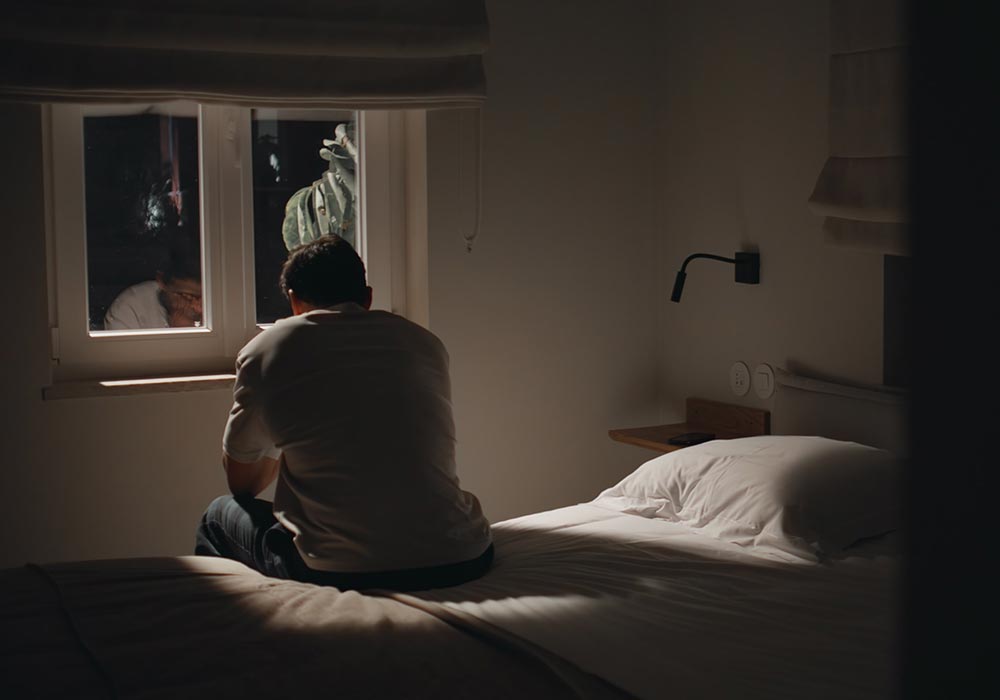
Mental Health Factors
Anxiety, depression, ADHD, PTSD, and bipolar disorder commonly disrupt sleep through worry, racing thoughts, hypervigilance, mood changes, or irregular routines.
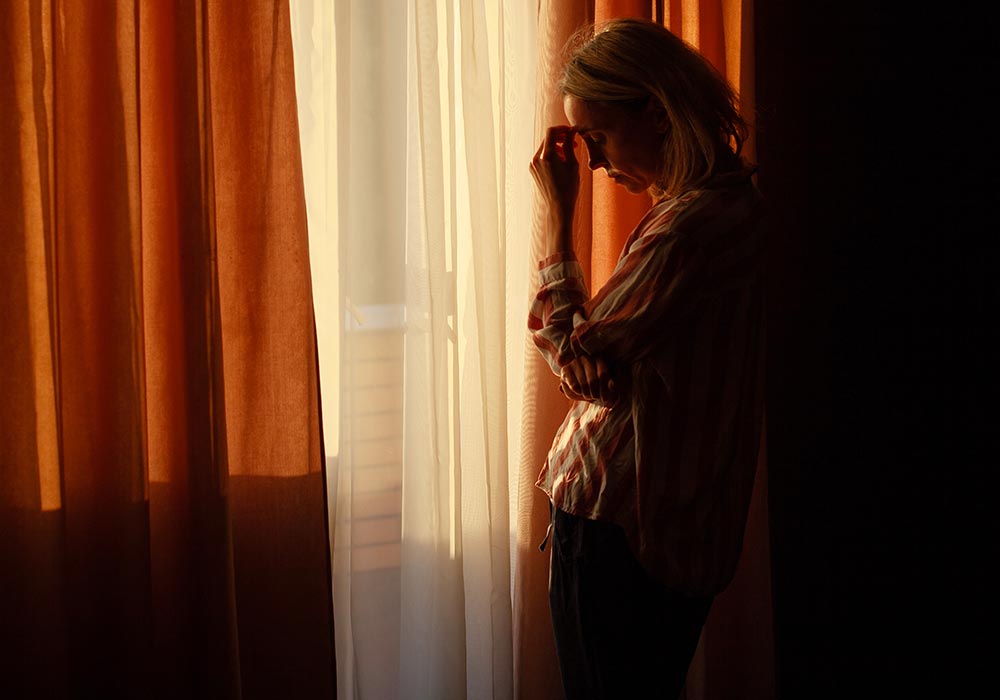
Biological and Circadian Factors
Disruptions to the body's natural sleep-wake cycle, genetic vulnerability, and medication effects can all affect sleep quality and timing.

Lifestyle and Environmental Factors
Certain habits and circumstances may contribute, such as:
- Chronic stress and burnout
- Irregular routines and shift work
- Screen use and stimulants
- Medical conditions affecting sleep
How are Sleep Difficulties Assessed?
Sleep disorders are diagnosed through a comprehensive clinical assessment conducted by a qualified clinician, usually a psychiatrist.
There is no single test for most sleep difficulties. Because sleep problems often reflect broader mental health, emotional, or lifestyle factors, a comprehensive assessment looks beyond sleep alone.
A typical sleep assessment may include:

Clinical Interview
The psychiatrist discusses sleep patterns, daytime functioning, stress levels, and how sleep difficulties affect work, study, relationships, and daily life.

Sleep Pattern Review
Sleep routines, quality, duration, timing, and behavioural factors are reviewed to clarify the nature of the sleep difficulty.

Assessment of Co-occurring Conditions
Conditions such as anxiety, depression, ADHD, PTSD, and bipolar disorder may be assessed because they commonly cause or worsen sleep problems.

Functional Assessment
Understanding the impact of poor sleep on energy, concentration, mood, work, and everyday functioning helps shape a targeted treatment plan. Where a medical sleep disorder such as sleep apnoea is suspected, we collaborate with sleep physicians and sleep clinics.

Treatment Options for Sleep Disorders
Sleep treatment usually involves a combination of strategies tailored to the underlying causes.

Psychiatric Management
Comprehensive assessment, diagnostic clarification, and treatment of co-occurring conditions such as anxiety, depression, ADHD, or PTSD. Medication review and management may be included where appropriate.

Behavioural and Lifestyle Strategies
Practical strategies that may form part of treatment:
- Sleep and routine review
- Circadian rhythm management
- Routine and behavioural interventions
- Stress reduction strategies

Psychological Support
Where appropriate, we collaborate with psychologists experienced in:
- Insomnia treatment (CBT-I)
- Stress and burnout management
- Anxiety treatment
- Trauma-informed care
Treatment plans are personalised and may change over time.
Why choose Mind Oasis Clinic

Australia’s Leading Psychiatry Clinic

Established Since 2020

15,000+ Patients Treated Nationwide

Trusted by 20,000+ Referring GPs

Team of 25+ Experienced Psychiatrists

Face-To-Face Consultations in Sydney & Melbourne

Nationwide Telehealth Consultations

Short Wait Times & Weekend Appointments

24/7 Online Booking with Instant Confirmation
Sleep Disorders
Frequently Asked Questions
What is involved in a sleep assessment in Sydney?
A sleep assessment in Sydney involves a comprehensive consultation covering sleep patterns, daytime functioning, mental health, and lifestyle factors. Our psychiatrist will clarify the nature of the sleep difficulty and determine the most effective treatment plan.
Can anxiety or ADHD affect sleep?
Yes. Anxiety, ADHD, PTSD, depression, and mood disorders commonly affect sleep quality, sleep timing, and daytime energy levels. Many adults with ADHD experience delayed sleep patterns and racing thoughts at bedtime.
Can poor sleep affect memory and concentration?
Absolutely. Sleep plays a critical role in memory, attention, emotional regulation, and cognitive performance. Many people experiencing brain fog or burnout find poor sleep is a significant contributor.
What causes persistent fatigue and burnout?
Fatigue and burnout may result from psychological, emotional, lifestyle, sleep-related, or medical factors. A comprehensive assessment can help identify the contributing causes.
Can I see a psychiatrist for sleep difficulties online in Australia?
Yes, our telehealth service provides access to psychiatrists across the country. Where a medical sleep disorder such as sleep apnoea is suspected, we collaborate with sleep physicians and sleep clinics.
Do I need a referral to see a psychiatrist?
A referral from your GP is generally required to access Medicare rebates for psychiatric assessment and treatment.